
Six high-value scenarios,one method
Cold storage, precision manufacturing, automated warehousing, continuous production, heavy-load plants, outdoor yards — the floor types differ, but "scattered records, unclear status, untraceable defects, unfounded budgets, unclear accountability" is the same problem everywhere. TaishuCloud applies one inspection, archiving and evidence-chain method, tuned to each scenario.
Six scenarios,
each with its own common issues and focus
Below are common scenarios and typical issues for illustration; actual findings depend on the on-site inspection.
 01
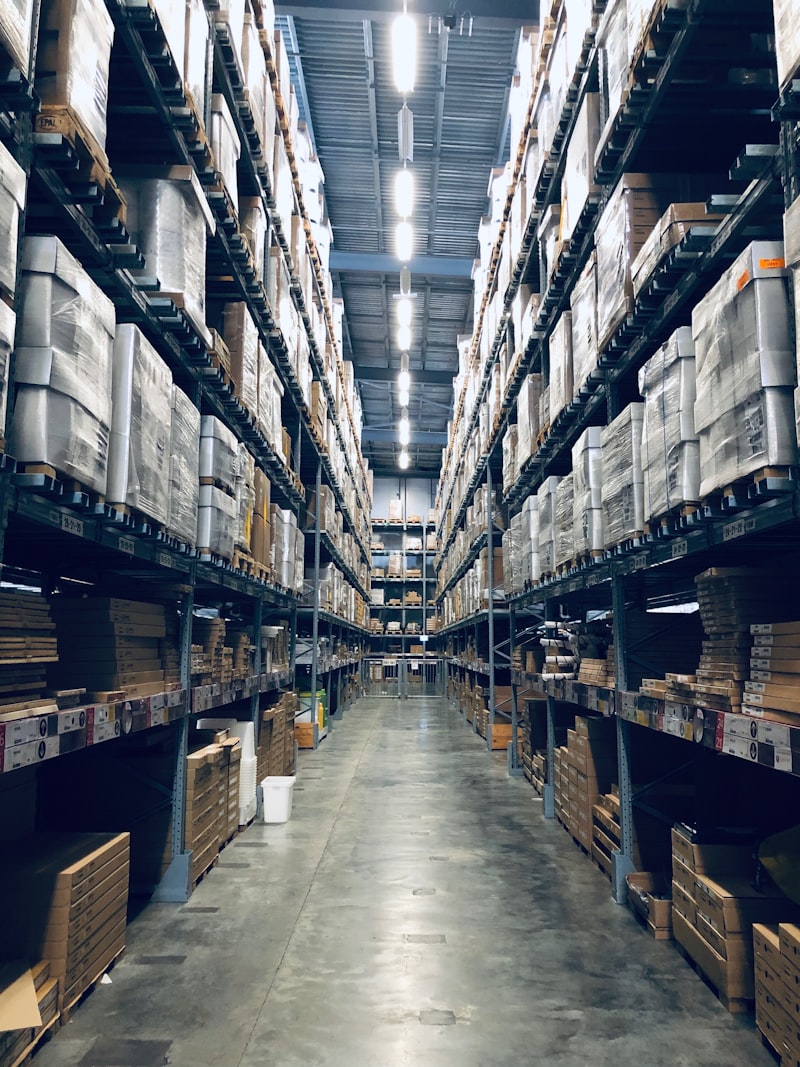
01Cold Storage
Freeze-thaw-prone zones like door areas fail most often; once cracking or spalling starts, it usually forces a shutdown for repair — far costlier than the repair itself.
Track temperature-sensitive zones separately; defects are archived and traceable as soon as they appear, with repairs scheduled around production peaks.
 02
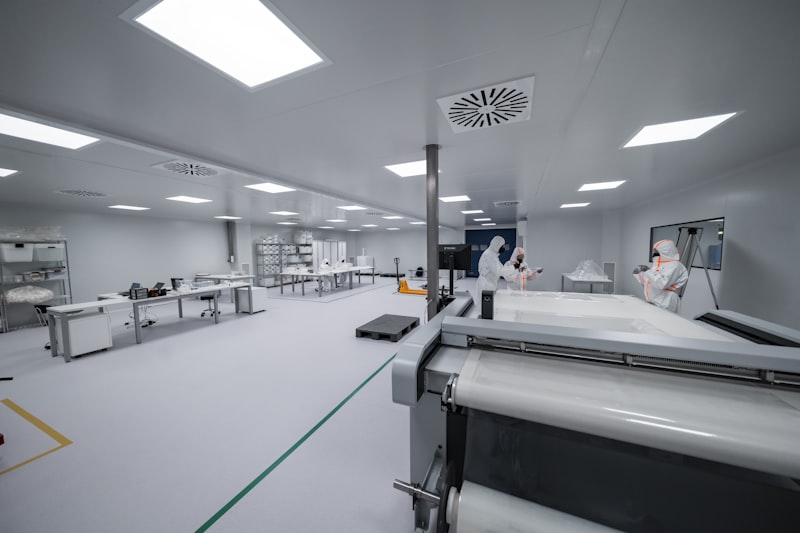
02Precision Clean Manufacturing
Cracking, dusting and flatness loss are often only noticed after equipment alarms — by then it's hard to tell when the problem actually started.
Establish a baseline archive of floor condition; regular inspections track subtle changes so issues are on record from the earliest stage.
 03
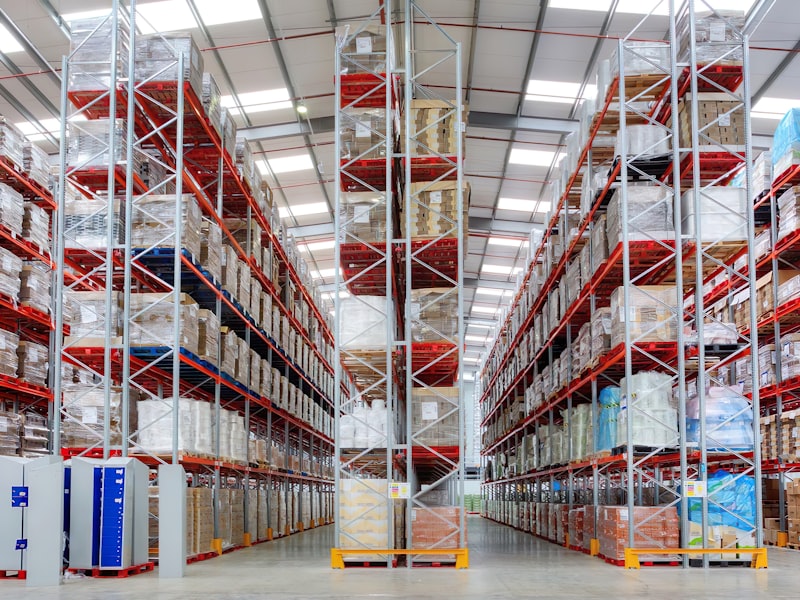
03Automated High-Bay Warehousing
Defects concentrate along forklift/stacker-crane travel paths; precision loss triggers equipment slowdowns and alarms, but accountability and repair priority are often unclear.
Log defects and precision changes by aisle and rack zone, provide repair-priority guidance, and build an evidence chain all parties can check.
 04
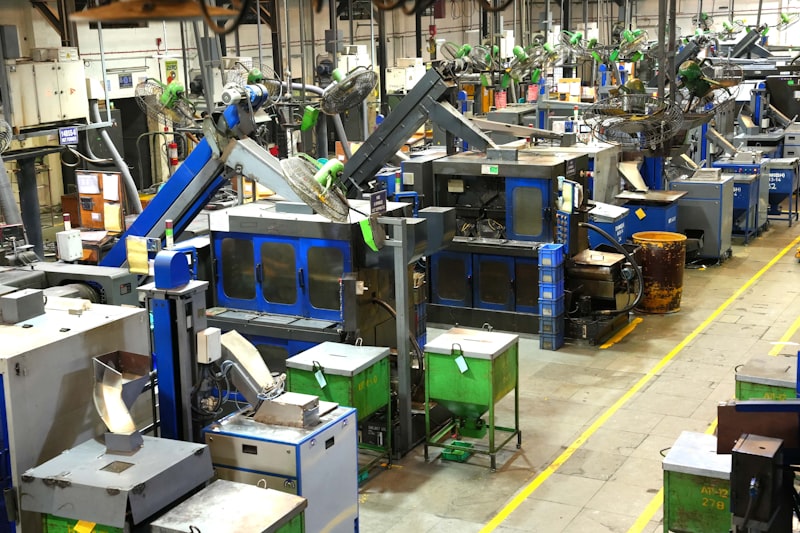
04Continuous Production
Any floor repair means a line stoppage — losses far exceed repair cost — yet defects usually surface only once they're already affecting production.
Archive by equipment zone and traffic lane, track defect trends over time, and plan repair windows and budgets ahead of schedule to cut unplanned downtime.
 05
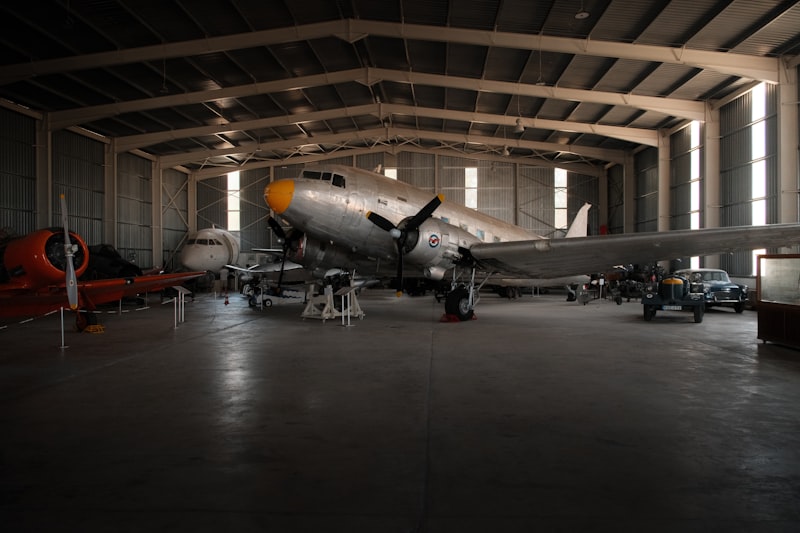
05Indoor Heavy-Load Traffic
Differential settlement builds up and joint damage tends to cascade; issues get handled only once they affect traffic, with accountability left unclear.
Regularly track settlement and cracking trends, build a timestamped archive, and keep every repair decision's basis on record.
 06
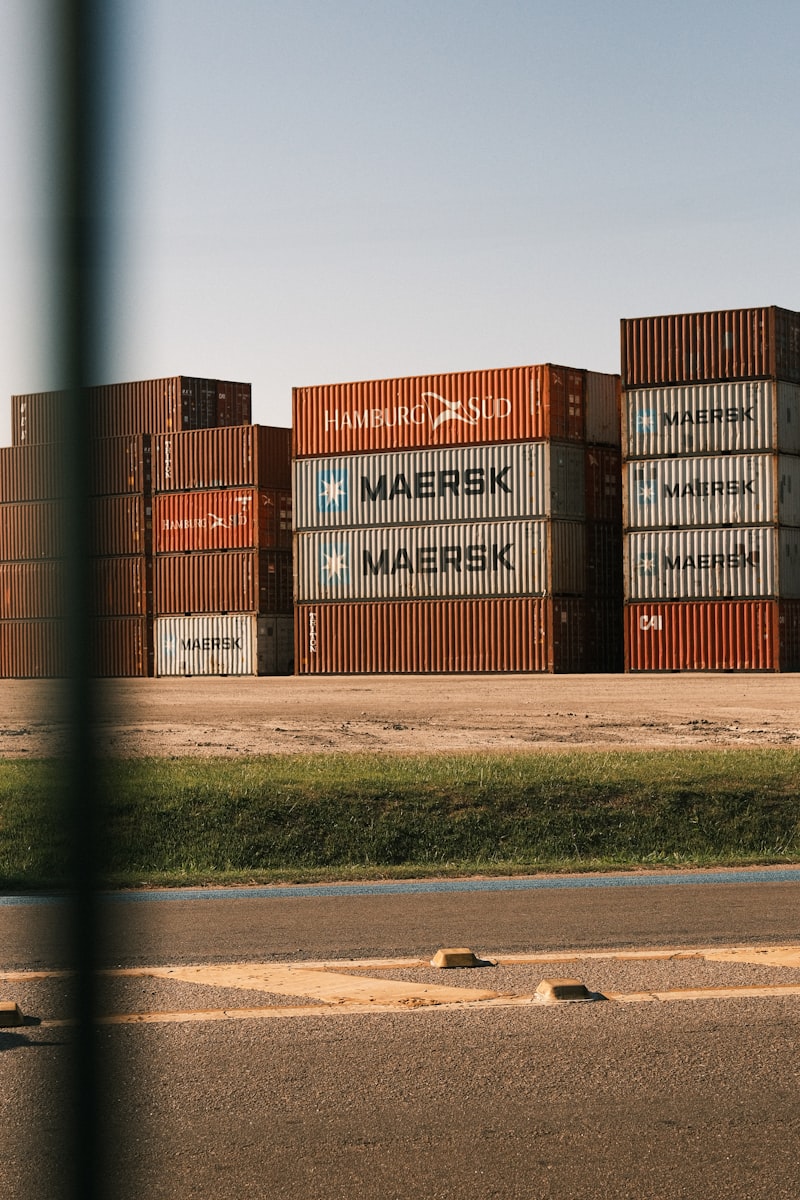
06Outdoor Heavy-Load Yards
Weather exposure plus heavy vehicle loading accelerates deterioration; repairs often require closing sections, disrupting loading and traffic.
Regular inspections track condition changes, with zone-based repair-priority guidance to reduce reactive, disruptive closures.
Not sure which scenario fits?
Start with an inspection — we'll help you sort it out
Whatever the floor type, step one is the same: an on-site inspection to see the real condition first.